

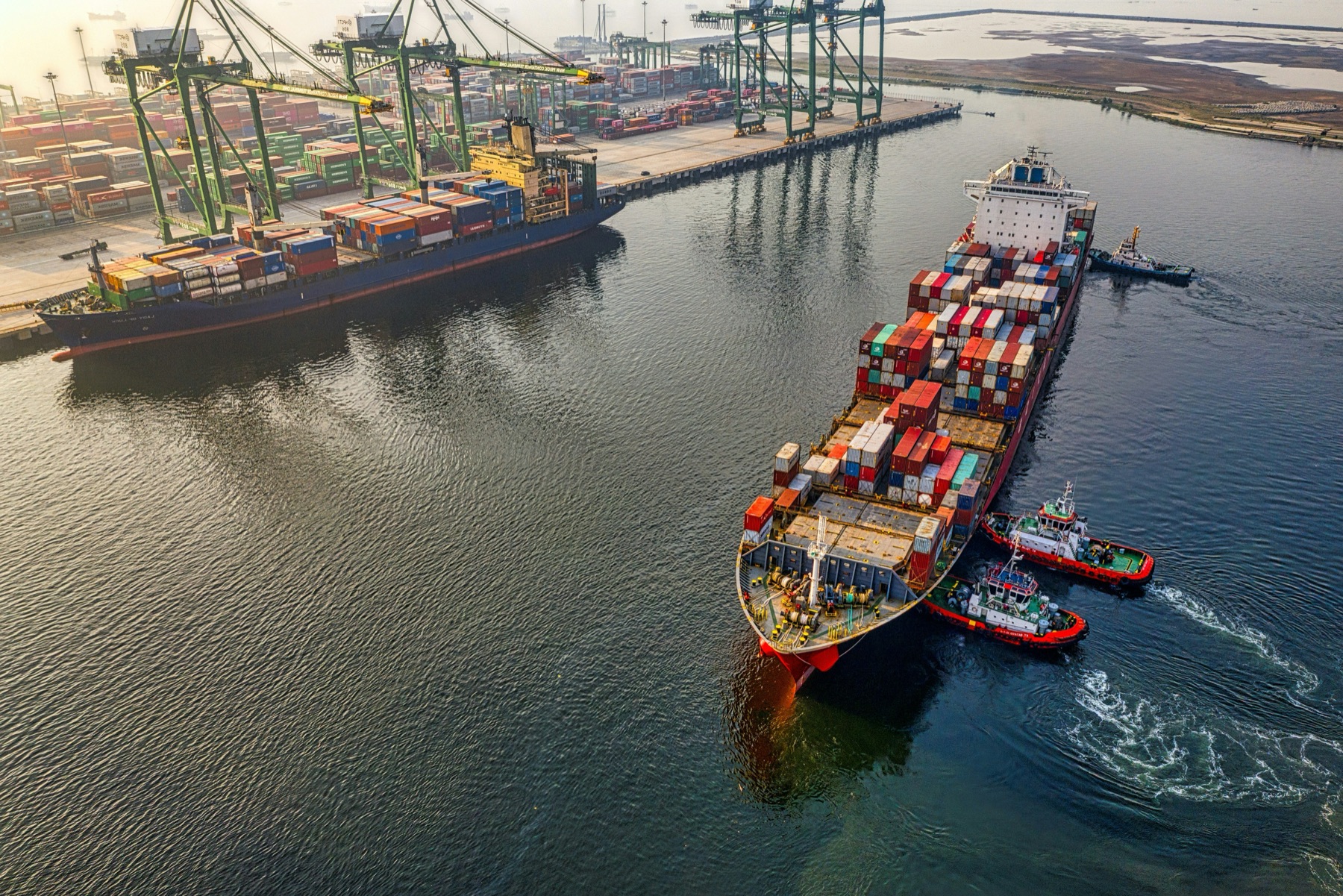
The depot network covers the straightforward deliveries. The difficult ones, remote sites, aviation terminals, facilities operating outside major distribution corridors, are where supply most often fails. Capsrow’s logistics model is built around the deliveries that are hard to make, not the ones that are simple.
Where the depot network ends.
Standard distribution assumes the buyer is close to a terminal. Many are not. Hospitals, telecoms sites, and educational institutions are frequently located where conventional supply chains thin out. Reaching them reliably requires dedicated routing, contracted haulage, and scheduling that accounts for distance and road conditions rather than ignoring them.
Scheduling around the buyer’s operations.
A delivery that arrives at the wrong time is a delivery that disrupts. We schedule against the buyer’s consumption profile and storage capacity, not our own convenience, so product arrives before tanks run low and without interrupting site operations.
Managing the variables that delay fuel.
Road access, security, and turnaround times at remote sites all affect last-mile delivery. Capsrow plans for these variables in advance and communicates with the buyer when conditions change, so a delay is known and managed rather than discovered at the point of need.
Reliability measured at the point of delivery.
Supply performance is judged where it matters, at the buyer’s tank, on the agreed date, in the agreed volume. That is the standard last-mile logistics exists to meet.